
Fluffy pancakes represent one of breakfast’s greatest joys—soft, pillowy stacks with tender interiors and crisp golden edges. Whether you’re a devoted breakfast traditionalist or seeking an effortless weekend treat, this meticulously tested recipe guarantees cloud-like texture through precise ingredient ratios. If you are avoiding dairy or eggs, looking for a plant-based option? Try our Fluffy Vegan Pancakes instead for an equally delicious result.
Table of Contents
Why These Pancakes Will Become Your Go-To Breakfast
Few aromas rival fresh pancakes cooking gently on a preheated griddle—the sizzle of batter hitting hot butter creates anticipation like nothing else. Yet achieving consistent fluffiness eludes many home cooks due to common pitfalls like overmixing, improper resting, or stale leavening agents. This recipe eliminates guesswork through science-backed techniques: precise flour-to-liquid ratios prevent dense chewiness, generous baking powder creates dramatic lift, and crucial 10-minute batter rest allows gluten relaxation and hydration for feather-light results.
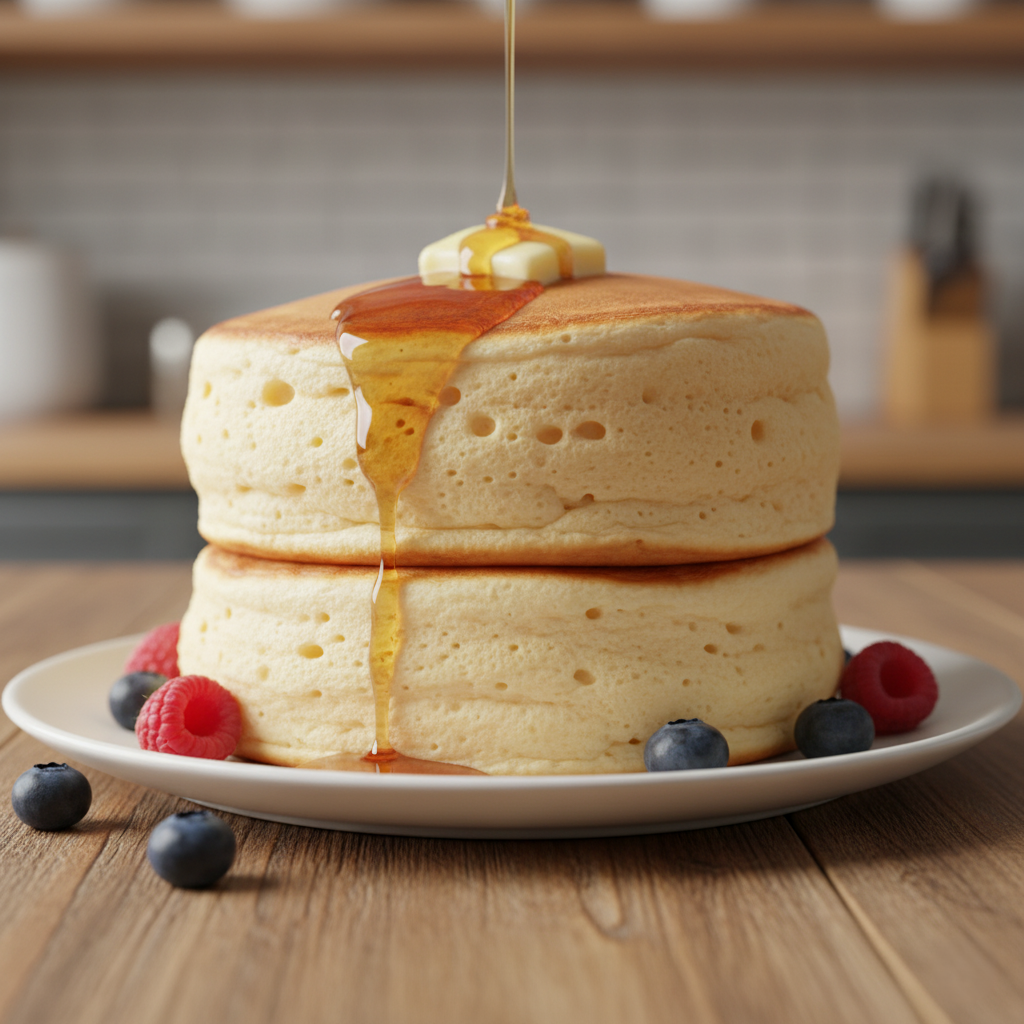
After extensive kitchen testing across different flour brands, milk temperatures, and cooking surfaces, these pancakes deliver bakery loft with home-cook simplicity. Buttermilk substitution option adds subtle tang and tenderizes through acid activation, while melted butter incorporation creates rich flavor without greasiness. The result? Stacks that rise 1.5 inches high, maintain structure under syrup pools, and showcase perfect golden-ringed exteriors with steam-vented interiors begging for creative toppings.
Achieving consistent fluffiness eludes many home cooks due to common pitfalls like overmixing or improper resting. This recipe eliminates the guesswork with science-backed techniques: generous baking powder creates dramatic lift, and a crucial 10-minute batter rest allows gluten relaxation for feather-light results. While these are a classic indulgence, you can boost the health factor by understanding The nutritional properties of whole grain flour and experimenting with 50% whole wheat substitutions in future batches.
Ingredients
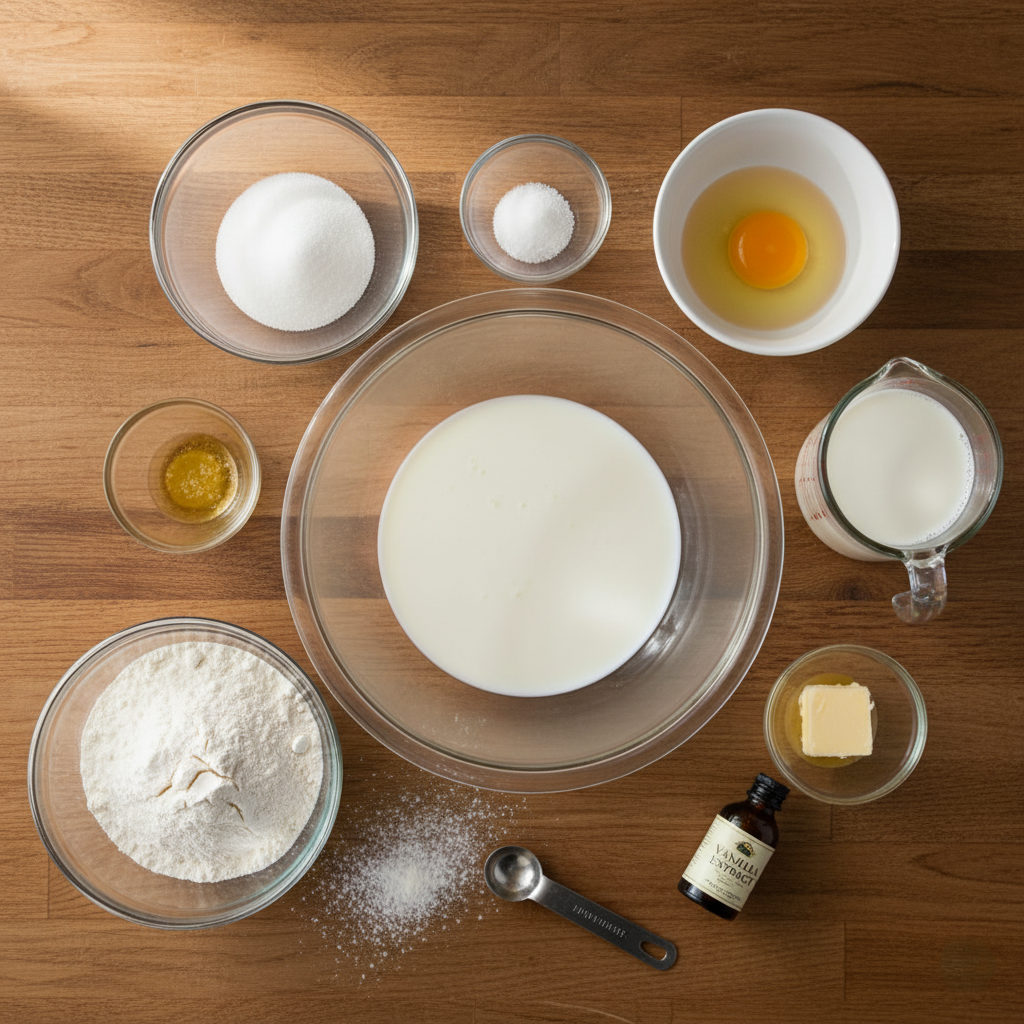
- 1 1/2 cups all-purpose flour (spooned and leveled, not scooped for accurate volume)
- 3 1/2 teaspoons baking powder (fresh—test by bubbling in hot water if >6 months old)
- 1 teaspoon kosher salt (enhances sweetness without tasting salty)
- 1 tablespoon granulated sugar (feeds yeast-like action of baking powder)
- 1 1/4 cups whole milk (room temperature prevents shocking batter chemistry)
- 1 large egg, room temperature (provides structure and lift)
- 3 tablespoons unsalted butter, melted and slightly cooled (prevents egg cooking)
- 1 teaspoon pure vanilla extract (rounds flavors, optional but transformative)
Equipment Needed
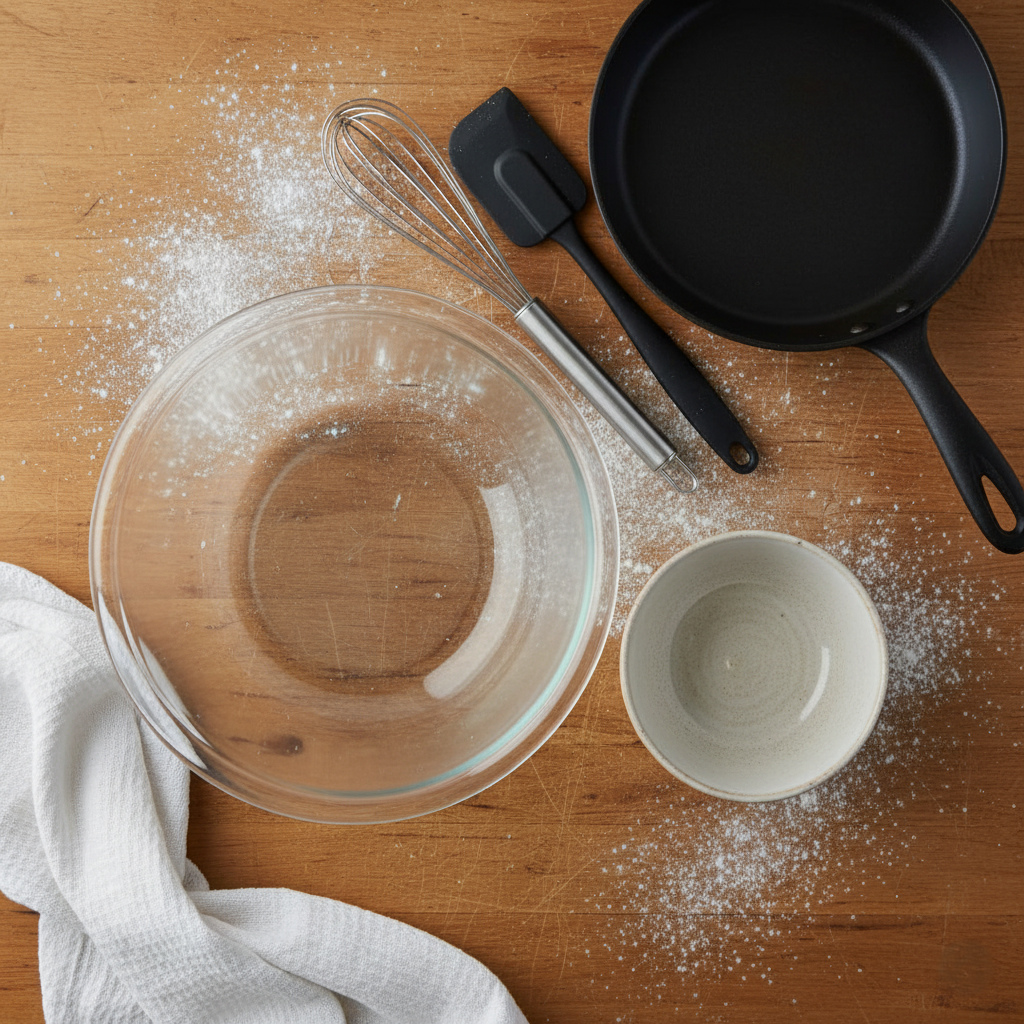
- Large mixing bowl (allows proper folding without overflow)
- Wire whisk or fork (gentle incorporation prevents overmixing)
- 12-inch non-stick skillet or electric griddle (375°F sweet spot)
- Thin silicone spatula (slides under pancakes without tearing)
Step-by-Step Instructions
1. Mix Dry Ingredients
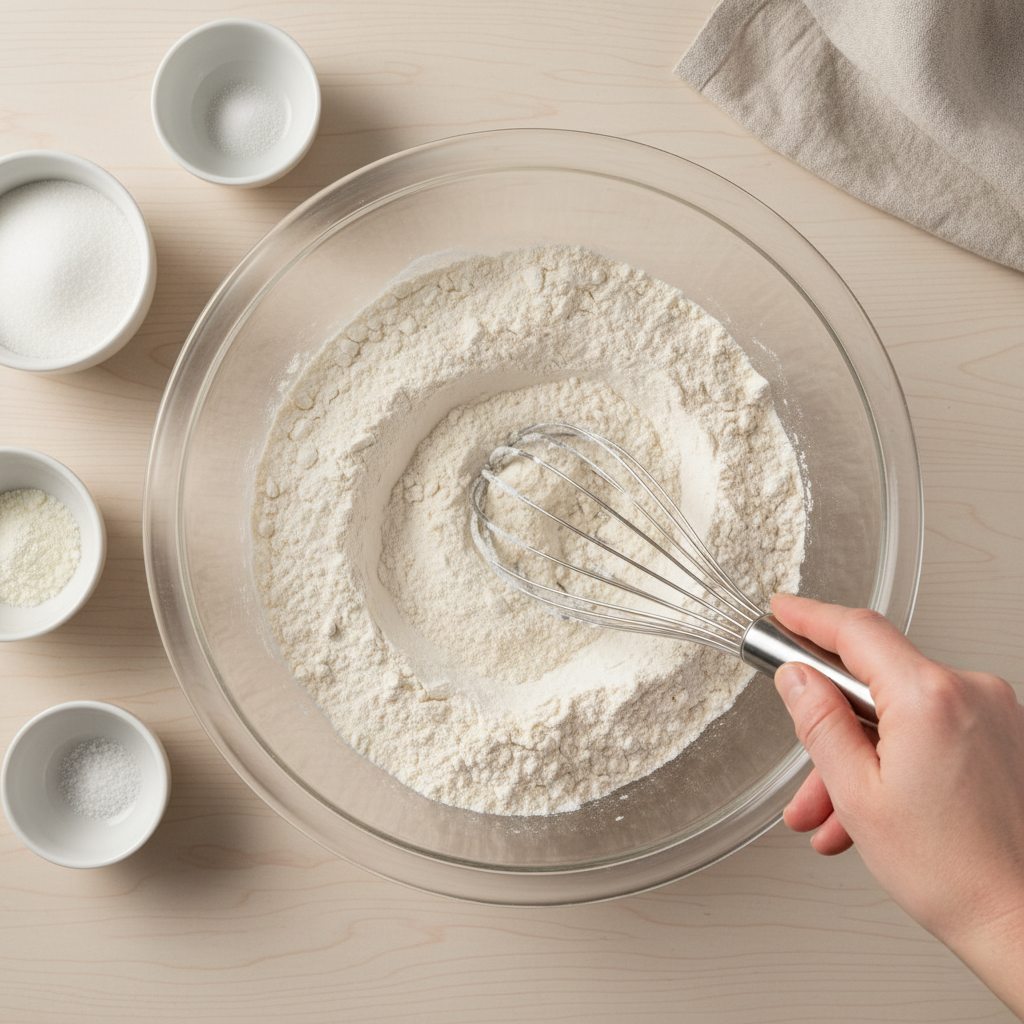
In large mixing bowl, whisk together 1 1/2 cups all-purpose flour (spooned into measuring cup and leveled), 3 1/2 tsp baking powder, 1 tsp kosher salt, and 1 tbsp sugar. Whisk vigorously 30 seconds to evenly distribute leavening agents and break up flour clumps—thorough dry mixing prevents bitter pockets and ensures uniform rise. Creating air pockets through whisking also contributes to lighter final texture.
2. Whisk Wet Ingredients Separately
In separate medium bowl, whisk room-temperature egg until smooth and pale. Add 1 1/4 cups room-temperature milk, 3 tbsp melted/cooled unsalted butter, and 1 tsp vanilla extract. Whisk gently until just combined—over-beating incorporates too much air, leading to irregular bubbles. Milk temperature matters: cold shocks batter chemistry while warm accelerates leavening activation.
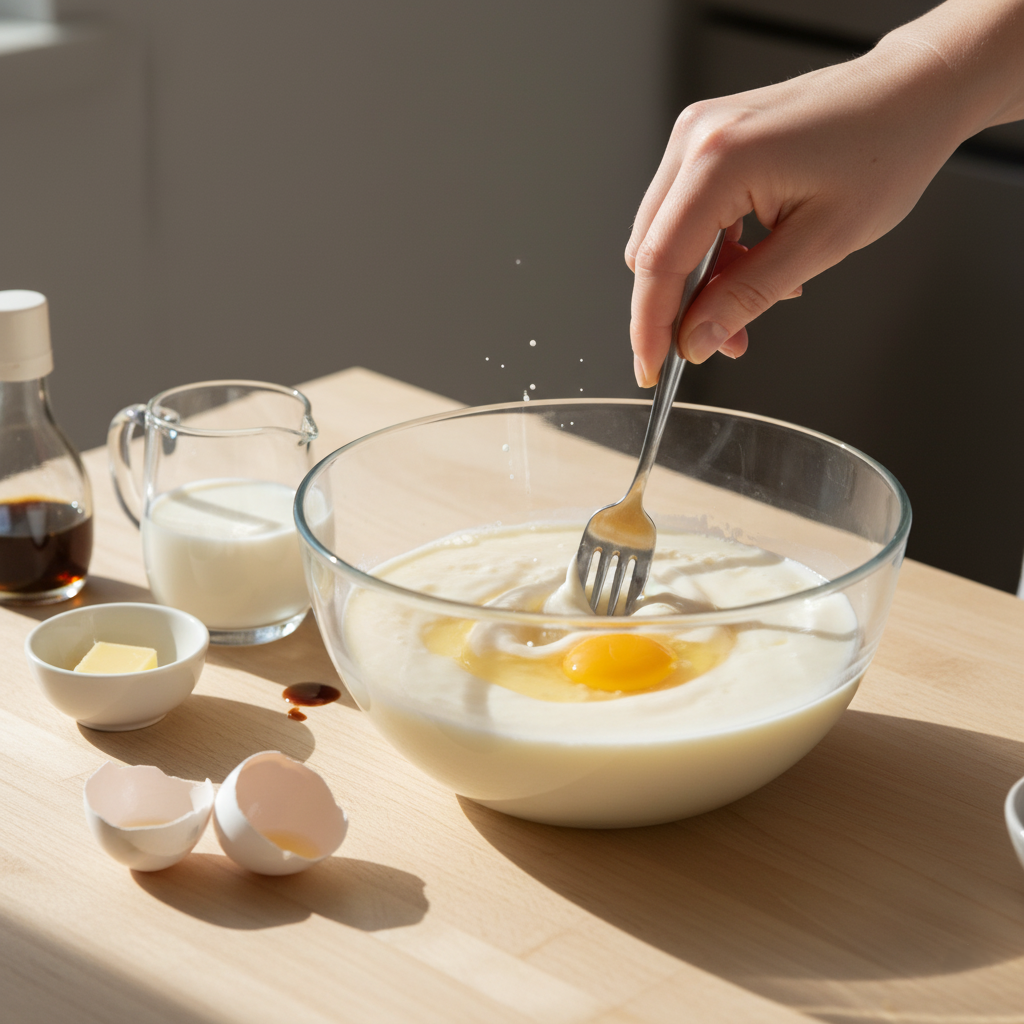
3. Combine and Gently Fold
Create well in center of dry ingredients. Pour wet mixture into well. Using rubber spatula or wooden spoon, fold from bottom edges upward using cutting motion—rotate bowl 90° each fold. Mix exactly 10-12 strokes until flour mostly disappears but visible lumps remain. Overmixing develops gluten for rubbery texture; gentle handling preserves tenderness while allowing chemical leaveners to create steam pockets.
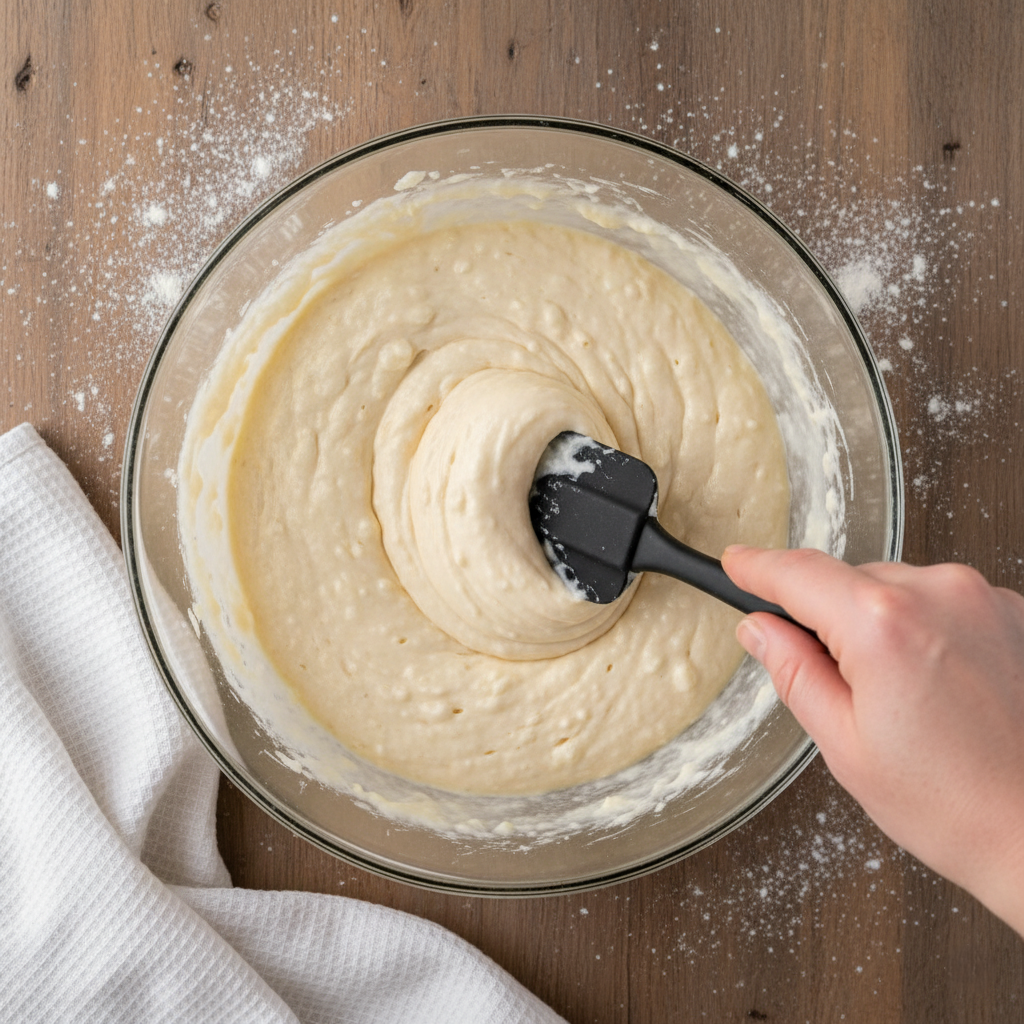
4. Let the Batter Rest
Cover batter loosely with clean kitchen towel and rest undisturbed 8-12 minutes at room temperature. This crucial hydration period allows flour particles to fully absorb liquid, baking powder to activate and release initial CO2, and any developed gluten strands to relax completely. Result: pancakes that spread minimally, rise dramatically (1-1.5 inches), and maintain tender crumb structure throughout cooking.
5. Cook on a Warm Griddle
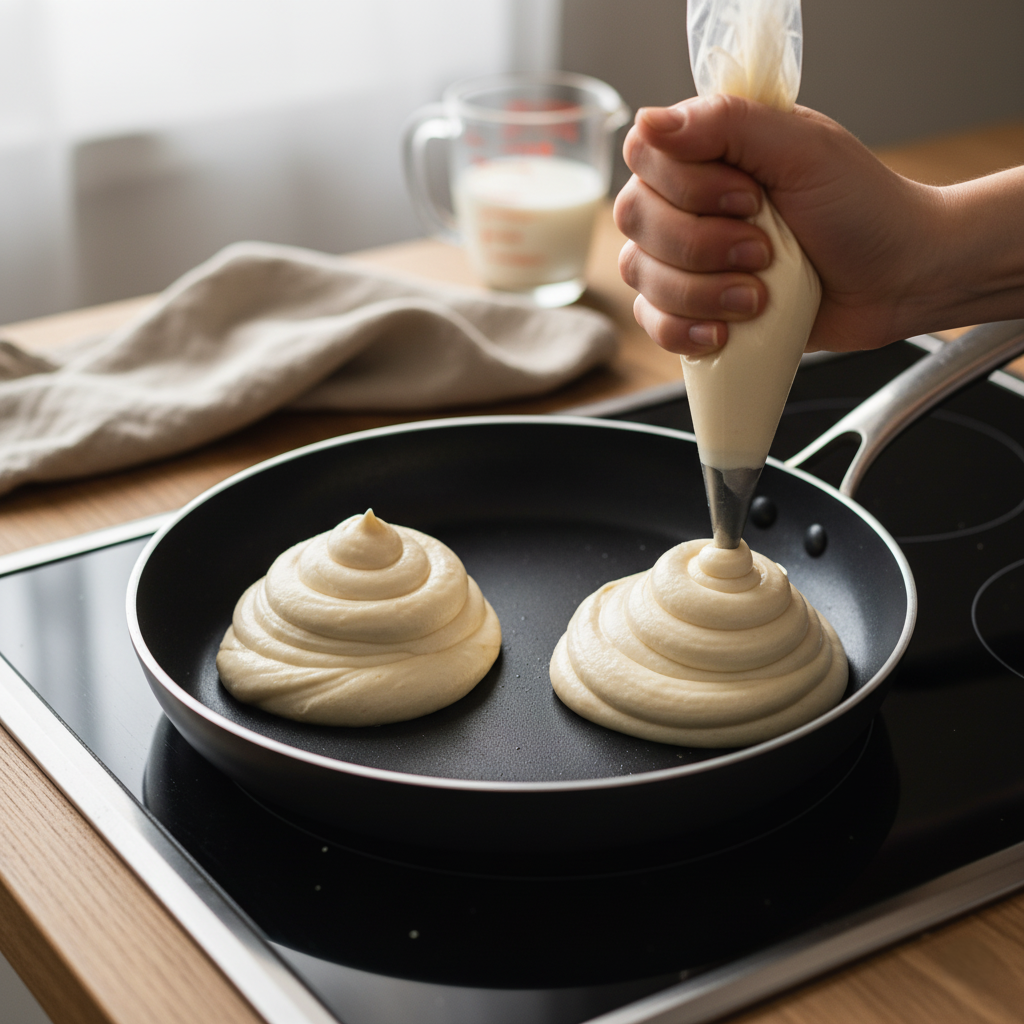
Preheat 12-inch non-stick skillet or griddle over medium heat 3-4 minutes until water droplets dance and evaporate instantly (375°F ideal). Add 1/2 tsp butter, swirl to coat. Use 1/4-cup measuring cup to portion batter onto skillet (3-4 pancakes max). Cook undisturbed 2-3 minutes until edges set, 3/4-inch diameter bubbles form/pop steadily, and batter surface shows dry matte ring. Gently loosen edges with thin spatula, flip confidently. Cook second side 60-90 seconds until deep golden. Repeat, adding butter between batches. Stack on warm plate tented with foil.
Tips for the Fluffiest Pancakes
- Test baking powder freshness: 1 tsp in 1/2 cup hot water should bubble vigorously within 15 seconds.
- Ultimate fluff technique: separate egg whites, whip to soft peaks, fold in last for double-leavened loft.
- Never press cooking pancakes—traps steam needed for internal rise and creates dense texture.
- Buttermilk substitution (equal volume) adds tenderness through acid-protein reaction + subtle tangy complexity.
- Add-ins timing critical: fold blueberries/chips/nuts into batter after initial mixing, before final strokes.
Frequently Asked Questions
Q: How do I prevent sticking?
A: Achieve perfect non-stick surface through proper preheating (water droplet test), minimal fat (1/2 tsp butter per batch), and confident flipping timing. Non-stick pans excel; well-seasoned cast iron works beautifully too.
Q: Can I make batter ahead of time?
A: Fresh batter yields best rise. If needed, prepare dry mix up to 24 hours ahead; add wet ingredients immediately before cooking. Prepared batter loses lift after 30 minutes due to leavener exhaustion.
Q: Can I substitute flours?
A: Whole wheat (50% substitution) adds nutty flavor but requires 2 tbsp extra liquid. Gluten-free 1:1 blends work seamlessly. Almond flour (25% max) creates tender results.
Q: How thick should batter be?
A: Ribbon consistency perfect: lifts from bowl in thick stream, coats spoon back briefly before sliding off. Too thick? Add milk 1 tbsp at time. Too thin? Sprinkle flour 1 tsp at time.
Q: Why flat pancakes?
A: Primary culprits: overmixing (gluten development), expired baking powder, cold wet ingredients shocking chemistry, or insufficient pan heat preventing steam escape. Follow techniques exactly for guaranteed loft.
Serving Suggestions and Variations
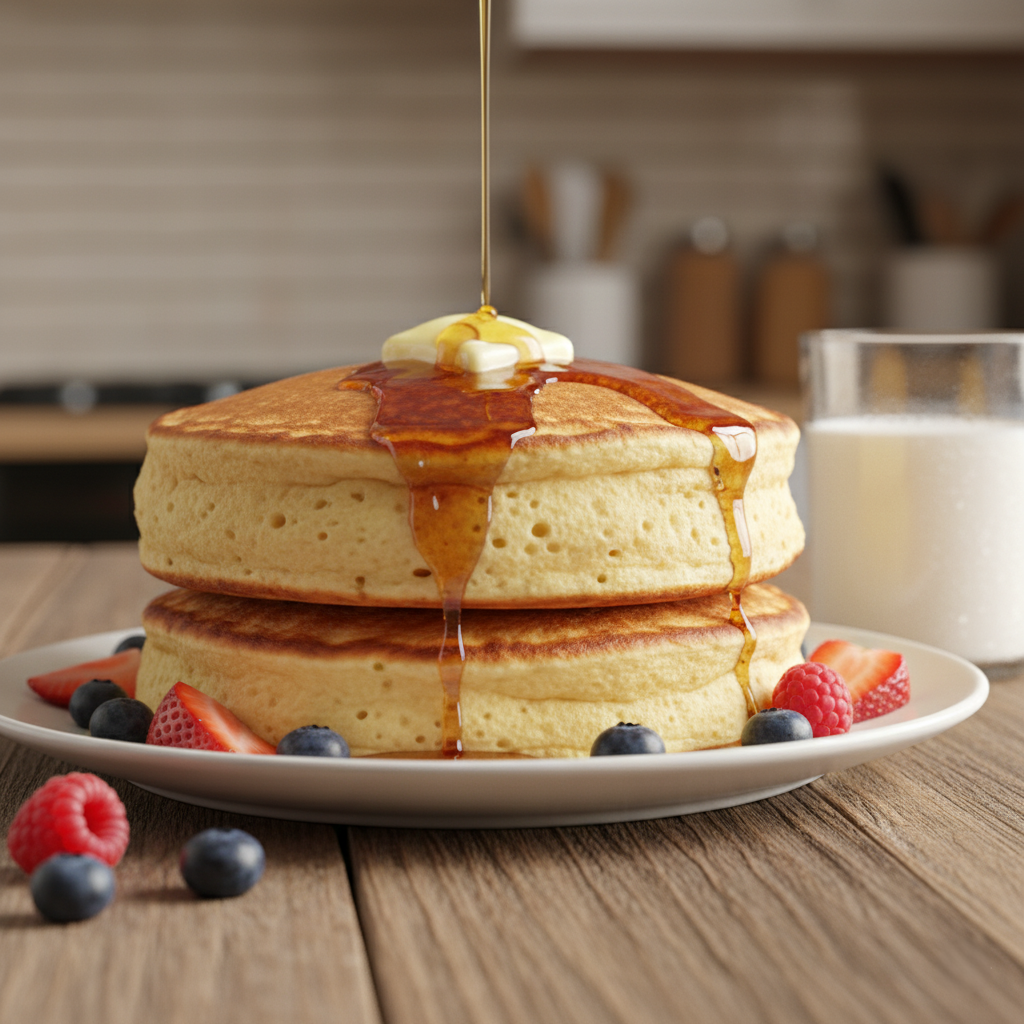
- Classic American: Stack high with cultured butter pats melting into craters + pure maple syrup cascade.
- Fruit Forward: Crown with macerated strawberries (sugar+lemon 15 minutes), Greek yogurt dollops, honey drizzle.
- Savory Brunch: Fold chives/scallions into batter + smoked salmon, crème fraîche, caviar presentation.
- Vegan Perfection: Almond/oat milk + 1 tbsp vinegar = buttermilk + 1 tbsp ground flax + 3 tbsp water = egg substitute.
Join the Conversation!
Mastered these pancakes? Share your stacking techniques, favorite toppings, or perfect flip videos in comments below! Tag #CrimsonPlatePancakes with your creations and subscribe for weekly breakfast brilliance delivered straight to inbox.

